

Why the Appalachian Mountains Are Dangerous

Why the Appalachian Mountains Are Dangerous? When you explore the Appalachian range, you see stunning views and meet many animals. But, the beauty of these mountains can turn dangerous at night.

It’s important to know the risks to stay safe. At night, the mountains can pose challenges like tough terrain, wild animals, and bad weather.

Knowing these dangers and how to avoid them is key. This article will show you why it’s risky to go into the Appalachian Mountains after dark.

The Unique Geography of the Appalachian Mountains

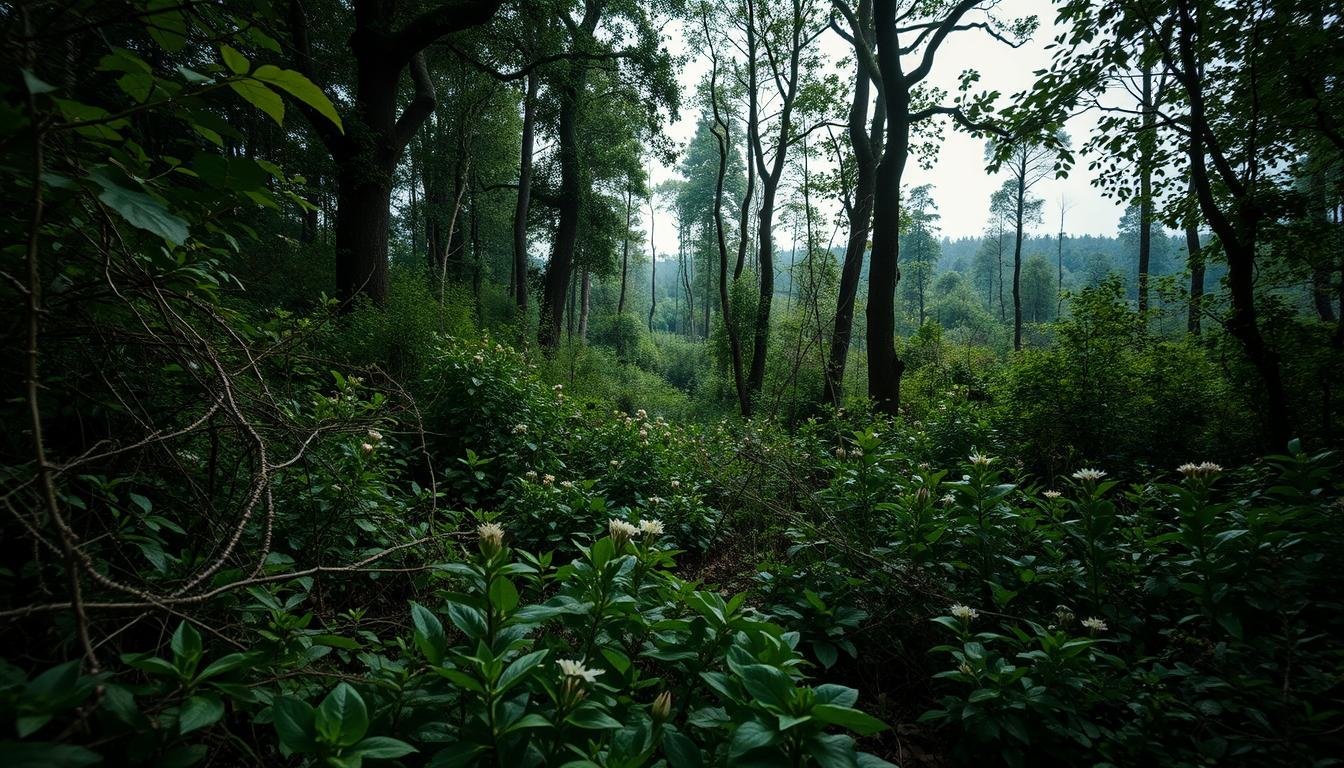
The Appalachian Mountains have their own set of challenges, especially at night. The terrain is full of rugged slopes, dense forests, and many water bodies. This makes it hard to navigate when it’s dark.

When you’re exploring this mountainous terrain, the risk of accidents goes up. The thick trees can hide dangers like cliffs, animal homes, and fast streams. These become even more dangerous when it gets dark.

The Appalachian Mountains’ geography is not only tough but also varied. You’ll find rolling hills, steep slopes, and valleys. Each one has its own outdoor risks. Knowing these features is key to staying safe, especially at night.

Geographical Feature Associated Risk Mitigation Strategy
Steep Slopes Landslides and falls Use trekking poles and stay on marked trails
Dense Forests Getting lost and wildlife encounters Carry a GPS device and make noise while walking
Numerous Streams Fast-flowing water and slippery banks Cross streams at designated points and be cautious of water levels

By knowing the Appalachian Mountains’ unique geography and risks, you can prepare better. This helps you avoid the dangers of exploring this beautiful but tough terrain at night.

Why Are the Appalachian Mountains Dangerous at Night?

The Appalachian Mountains are especially dangerous at night because of reduced visibility. When the sun goes down, it’s harder to see where you’re going. This makes every step riskier. You might miss uneven terrain, wildlife, or bad weather because you can’t see well.

Reduced Visibility

At night, it’s hard to see in the Appalachian Mountains. Without enough light, you might trip over hidden obstacles or not see animals coming. The thick trees and rough ground make it tough to see just a few feet ahead.

To stay safe, carry good lighting like flashlights or headlamps. Move slowly and know where you’re going. This helps avoid the dangers of nighttime navigation.

The dark can also mess with your mind. Fear and confusion can make you make bad choices. Stay calm, have a plan, and bring the right tools to help you stay safe.

In short, the Appalachian Mountains are risky at night because it’s hard to see, the terrain is tough, and there might be animals around. Knowing these dangers and being prepared can help you have a safer trip in this stunning but tricky place.

Wildlife Threats That Emerge After Dark

When night falls in the Appalachian Mountains, the danger of running into wildlife grows. This area is home to many animals that come out at night. These include bears, snakes, and others that are more active in the dark.

Bears are a big worry in these mountains. Black bears are usually shy but can get angry if scared or protecting their young. To avoid bears, keep food and trash away and make noise while hiking.

Snakes are another danger at night. Species like rattlesnakes and copperheads live here. To avoid snakes, wear long pants, use a flashlight, and stick to marked trails.

To stay safe, know your surroundings and keep your campsite clean. Don’t leave food or scented items like toothpaste or soap out. These can attract wildlife. By being careful and understanding nocturnal animals, you can reduce risks in the Appalachian Mountains at night.

Some extra mountain safety tips include making noise while hiking, traveling in groups, and being alert. Following these tips lets you enjoy the Appalachian Mountains safely, away from wildlife threats.

Environmental Hazards Intensified by Darkness

Darkness makes environmental hazards in the Appalachian Mountains worse. When you explore these mountains at night, knowing the dangers is key. Weather and terrain can be especially risky.

Fog, rain, or snow can make it hard to see. Fog might only let you see a few feet ahead. Heavy rain or snow can hide trails and landmarks.

environmental hazards Appalachian Mountains

Terrain hazards are also a big worry. Landslides, flooded streams, and steep slopes are deadly at night. Without clear sight, these dangers are harder to avoid.

To stay safe, preparation is crucial. Here are some important steps:

  • Check the weather forecast before you go and be ready for changes.
  • Carry the right gear like flashlights, extra batteries, and a first-aid kit.
  • Learn about terrain hazards in the area you’re visiting.

Understanding and preparing for these hazards can greatly reduce risks. Knowing your surroundings and having the right tools can keep you safe.

Human Factors and Historical Incidents

Exploring the Appalachian Mountains requires knowing how human mistakes have led to past incidents. The area’s history shows how errors and tough conditions have caused tragedies.

The ice storm of 1993 is a key example. It showed how bad weather can affect travel. Human mistakes, like not preparing well, made the situation worse.

Looking at past incidents in the Appalachian Mountains teaches us important safety lessons. Here’s a table with some major incidents and what we can learn from them:

Incident Year Lesson Learned
Ice Storm 1993 Importance of weather preparedness
Hiking Accidents Various Need for proper hiking gear and planning
Wildlife Encounters Various Awareness of wildlife habitats and behaviors

By studying these incidents, you can learn how to stay safe in the Appalachian Mountains at night. Knowing about human errors and learning from history are key to staying safe.

Staying Safe in the Appalachian Mountains After Sunset

Exploring the Appalachian Mountains at night can be thrilling but also risky. Knowing the dangers is key to a safe adventure. Be aware of the terrain, wildlife, and environmental risks to stay safe.

For a safe trip, plan your route ahead, pack essentials like flashlights and first aid kits, and share your plans with someone. Always be alert for wildlife and watch out for steep areas and fast streams.

By being prepared and informed, you can enjoy the Appalachian Mountains safely. For more tips, check out the National Park Service or the Appalachian Trail Conservancy. They provide valuable advice for a safe and fun journey.

See Also: Exploring the Dangers of the Bering Sea

FAQ

What are the most significant dangers in the Appalachian Mountains at night?

The Appalachian Mountains can be dangerous at night. The terrain is rugged, and forests are dense. This makes it hard to see and navigate.

Nocturnal animals like bears and snakes pose a threat. They are more active in the dark.

How can I prepare for hiking in the Appalachian Mountains at night?

To hike safely at night, bring a good light source. Use a headlamp or flashlight and extra batteries. Wear clothes that reflect light and bring a map and compass.

What should I do if I encounter wildlife in the Appalachian Mountains at night?

If you meet wildlife at night, stay calm. Keep a safe distance. Make yourself look bigger by standing up straight and making loud noises.

Avoid direct eye contact and don’t run. Running can trigger an attack.

How can I stay safe from environmental hazards like landslides or flooded streams?

To avoid landslides or flooded streams, check the weather first. Be aware of the terrain. Avoid areas with loose ground.

Be cautious when crossing streams or rivers, especially during heavy rain or snowmelt.


Check out Why Wet Charcoal is Dangerous and How to Avoid It.

Disclosure: The content on Dangeropedia.com is for informational purposes only and not professional advice. Always exercise caution and consult experts before taking any action related to safety or hazards. Use at your own risk.
Leave a Reply

Your email address will not be published. Required fields are marked *

You May Also Like

Uncovering the Dangers of the Flemish Cap Fishing Area

Dangers of the Flemish Cap Fishing Area: As you explore the world’s most significant fishing grounds, you come across the … Read more

Are Blood Clams Dangerous? What You Need to Know

Are Blood Clams Dangerous? Thinking about adding blood clams to your meals? It’s key to know the health risks they … Read more

How Dangerous Is Pole Climbing?

Contents1 How Dangerous Is Pole Climbing?2 A High-Risk Profession Requiring Rigorous Safety Protocols3 The Inherent Dangers of Pole Climbing3.1 1. … Read more

Are Pine Martens Dangerous? What You Need to Know

Are Pine Martens Dangerous? When you explore the wilderness, you might see many forest creatures. One of these is the … Read more