
Dangers of Squatted Trucks: If you love cars or just drive a lot, you’ve seen squatted trucks everywhere. They look cool, but they’re not as safe as they seem.
Truck squatting changes how a truck looks by lowering it. But it also makes driving harder. You might not see as well, and the truck handles differently.
This can lead to more accidents, especially when it’s slippery or dark outside.
Knowing the dangers of squatted trucks is key to staying safe. We’ll look into these risks together. You’ll learn what to watch out for and how to stay safe.
Contents
What Are Squatted Trucks?
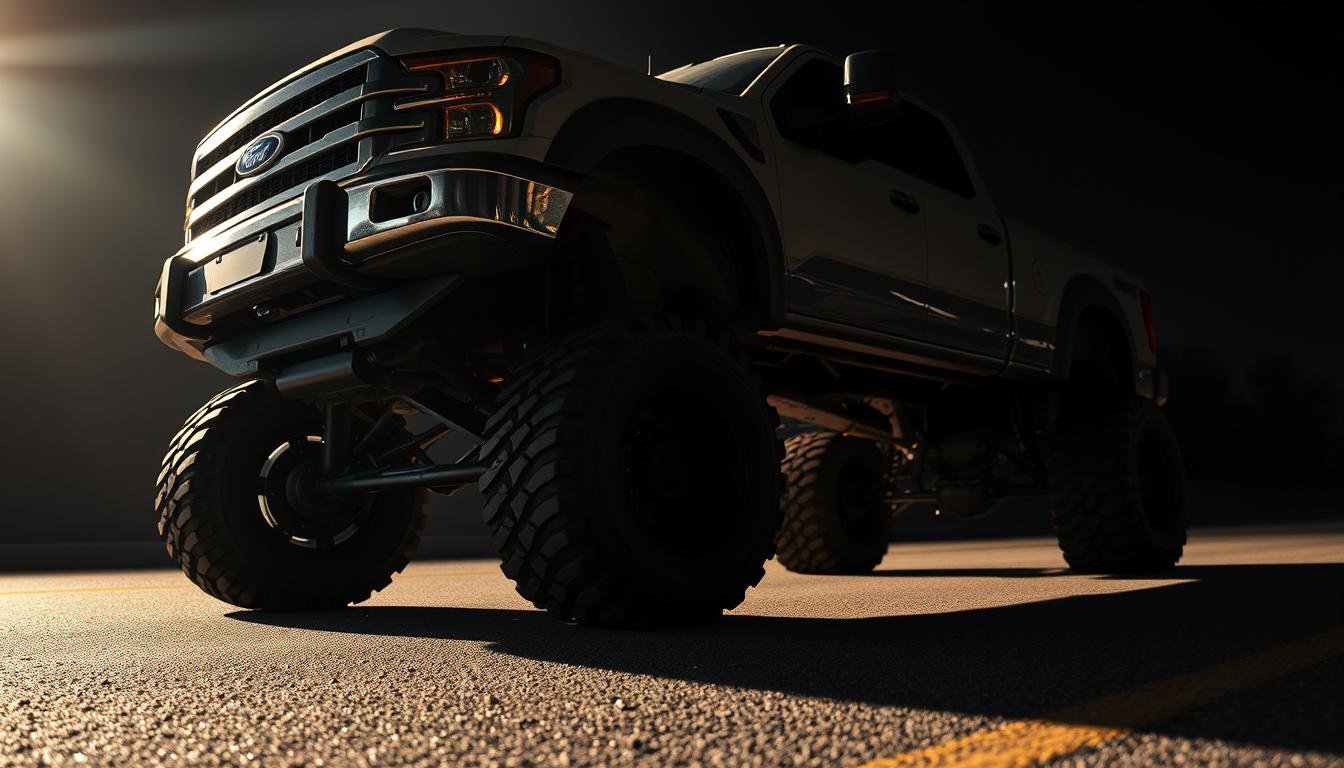
Have you seen trucks that seem to lean forward or backward? This is called squatting. It’s a way to change the suspension to make the truck tilt. It can lean towards the front or the back.
Squatted trucks are popular among truck fans. They adjust the suspension to lower the front or rear. This gives the truck a cool look. But, it also changes how the truck performs and its safety.
| Modification Type | Description | Potential Risk |
|---|---|---|
| Lowering Front Suspension | Reduces the front height, giving a “dropped front” appearance | Increased risk of front-end collision damage |
| Raising Rear Suspension | Increases the rear height, contributing to a tilted stance | Potential for reduced rear visibility and stability issues |
It’s important to know about truck squatting. This is for truck owners thinking about it and for others on the road. They need to be careful around these vehicles.
Why Are Squatted Trucks Dangerous?
Squatted trucks are more than just a styling choice; they pose real dangers on the road. When a truck is squatted, its suspension is altered. This changes the vehicle’s dynamics and can compromise its safety features.
Impact on Anti-Lock Braking Systems
One of the critical safety systems affected by squatting is the anti-lock braking system (ABS). ABS is designed to prevent wheels from locking up during hard braking. This helps you maintain control of your vehicle. However, when a truck is squatted, the altered suspension geometry can impact the ABS’s effectiveness.
The changed angle and height can lead to uneven brake wear. This affects the system’s ability to function correctly. It can increase stopping distances and the risk of accidents.
| Safety Feature | Standard Truck | Squatted Truck |
|---|---|---|
| ABS Effectiveness | High | Compromised |
| Traction Control | Optimal | Impaired |
| Stopping Distance | Standard | Increased |
Traction Control Complications
Traction control is another vital safety feature that can be compromised by squatting a truck. This system helps prevent wheelspin and loss of traction, especially on slippery surfaces. When a truck is squatted, the altered weight distribution and suspension geometry can affect the traction control system’s ability to manage power delivery to the wheels effectively.
This can lead to reduced traction. It makes it harder to control the vehicle, especially under adverse weather conditions or when driving on uneven terrain.
https://www.youtube.com/watch?v=iuVitFg97KM
Understanding these risks is crucial for your safety on the road. As you consider modifying your truck, it’s essential to weigh the aesthetic benefits against the potential dangers and safety risks involved.
Safety Risks to Other Road Users
Squatted trucks are not just a danger to their drivers. They also pose a big risk to others on the road. The squatting modification can make it hard for drivers to see the road and what’s around them.
One big worry is the reduced visibility of kids and small people. The truck’s new height and angle can hide them from view. This makes it tough for drivers to see these vulnerable road users.
Reduced Ability to See Children and Small Pedestrians
The dangers of squatted trucks are especially high for kids and small people. They are hard to see because of their size. This is especially true when they are near a squatted truck.
| Risk Factor | Description | Potential Consequence |
|---|---|---|
| Reduced Visibility | Squatted trucks can create blind spots | Increased risk of accidents involving pedestrians or cyclists |
| Altered Vehicle Dynamics | Changes in truck’s height and angle affect handling | Loss of control, potentially leading to accidents |
| Increased Stopping Distance | Squatted trucks may have altered braking performance | Failure to stop in time, resulting in collisions |
The table shows the many risks of squatted trucks. These risks can have serious effects on others on the road. It’s important to know these dangers and be careful when driving near modified trucks.
Knowing the dangers of squatted trucks helps you stay safe on the road. Always be careful and watch out for these vehicles. This way, you can avoid accidents.
Documented Accidents and Incidents
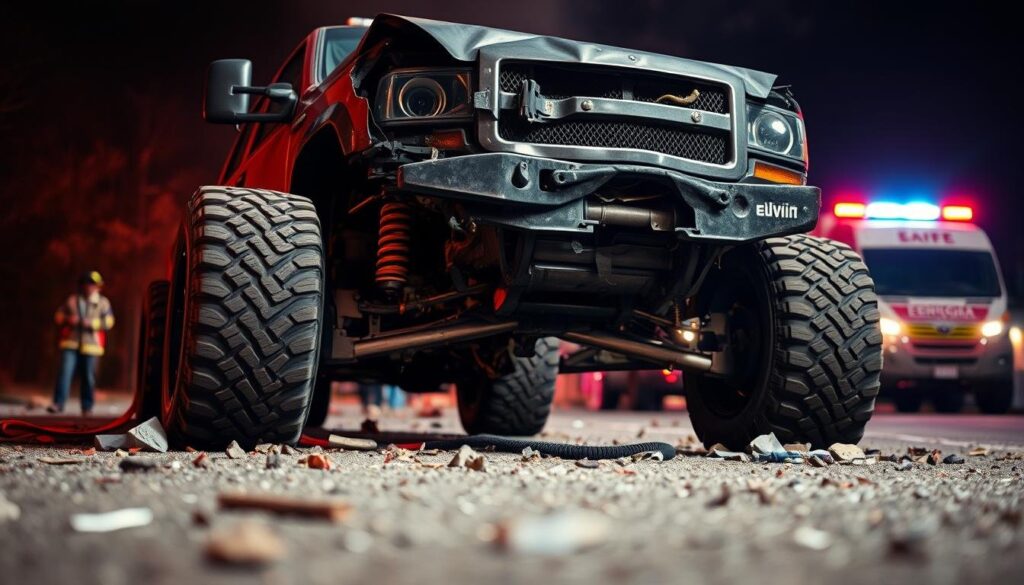
The rise of squatted trucks has caused many accidents, worrying road safety experts. These trucks, with their lowered back ends, have been in several incidents. These show their dangers.
Many cases show the risks of squatted trucks. For example, accidents have happened because people can’t see well because of how the truck looks. Also, the truck’s stability can be affected, leading to losing control.
| Incident Type | Location | Consequences |
|---|---|---|
| Rear-end collision | Highway | Multiple injuries |
| Loss of control | Urban area | Property damage |
| Visibility-related accident | Rural road | Fatality |
These incidents point out the safety concerns with squatted trucks. They show we need to be more aware and might need laws to help. As more trucks like this are on the road, fixing these safety issues is more urgent.
Mechanical Problems Caused by Truck Squatting
When you squat your truck, it’s not just about looks. You’re also risking mechanical issues. Squatting changes the suspension, leading to uneven weight and stress on parts.
Squatting affects the suspension and steering. The new height can mess with the vehicle’s alignment. This can cause uneven tire wear and affect how the truck handles.
Long-term Reliability Concerns
Modifying your truck can lead to reliability problems over time. The extra stress on the drivetrain and suspension can cause wear and tear. This might lead to expensive repairs later on.
Some mechanical issues from truck squatting include:
- Increased strain on the drivetrain due to the altered angle of the driveshaft
- Potential for increased risk of rollover due to the changed center of gravity
- Compromised braking performance as a result of the altered suspension geometry
Think about these mechanical problems before squatting your truck. While it might look cool, the reliability and performance issues could be a bigger problem.
Legal Status and Regulations
Before you start modifying your truck, it’s key to know the legal side of squatted trucks. The rules about these changes vary by place. It’s important to follow local laws to avoid fines and penalties.
Truck owners need to learn about truck modification laws in their area. These laws say what changes are okay and what aren’t. For example, some places have rules about how high a vehicle can be and what suspension changes are allowed.
How Modifications May Void Warranties
Changing your truck, like squatting, can affect your warranty. Car makers usually have strict rules about aftermarket changes. Breaking these rules can make your warranty invalid.
| Modification Type | Warranty Impact | Legal Compliance |
|---|---|---|
| Suspension Lift | May void warranty if not approved by manufacturer | Varies by state; check local laws |
| Body Lift | Can affect warranty depending on manufacturer’s policy | Often subject to specific regulations |
| Squatting Modification | Likely to void warranty due to significant alteration | Generally considered illegal in many jurisdictions |
It’s important to check your warranty and talk to your dealer or maker before big changes. Knowing about legal issues with squatted trucks and warranty effects can prevent legal and financial problems.
Knowing about warranties on modified trucks and following local truck modification laws helps keep your vehicle legal. It also avoids any extra trouble.
Conclusion: Dangers of Squatted Trucks
You now know the dangers of squatted trucks. They pose risks to everyone on the road, including drivers and pedestrians. It’s important to be aware of these dangers.
Squatted trucks can make it hard to see and stop in time. This increases the chance of accidents. These trucks are not just a danger to the driver but to all road users.
Modifying your truck can have serious consequences. Knowing the risks helps you make better choices about your vehicle. It’s key to understanding the potential problems.
It’s crucial to stay informed about the dangers of squatted trucks. This knowledge helps keep you and others safe on the road. Always be cautious and take steps to avoid these risks.
See Also: Why Blue Hole Dahab is Considered Dangerous?
FAQ
What is a squatted truck?
A squatted truck has a lowered rear suspension. This makes it look tilted. People use suspension lifts or spacers to achieve this look.
Are squatted trucks illegal?
Laws about squatted trucks differ by place. Some places have rules, while others don’t. Always check local laws before making changes to your truck.
How do squatted trucks affect safety?
Squatted trucks can be unsafe. They might have bad brakes, less visibility, and higher accident risks. This is because they’re not built to handle the changes.
Can squatting a truck void its warranty?
Yes, squatting can void your truck’s warranty. It depends on the manufacturer’s rules and the mods you make. Always check your warranty before making changes.
Can I still drive a squatted truck safely?
You can drive a squatted truck, but be careful. Know the risks and take steps to stay safe. Regular inspections and safe driving are key.
How do squatted trucks impact insurance rates?
Squatting your truck might raise your insurance rates. It’s seen as a high-risk modification. Talk to your insurance provider to see how it affects your premiums.
Find out more about Dangers of the Calcasieu River Bridge Explained.

Lorenzo Sloan is a safety advocate from Los Angeles who exposes hidden and everyday dangers through research-based blogging. With a background in social work, he aims to keep readers informed, cautious, and prepared for the unexpected risks around them.