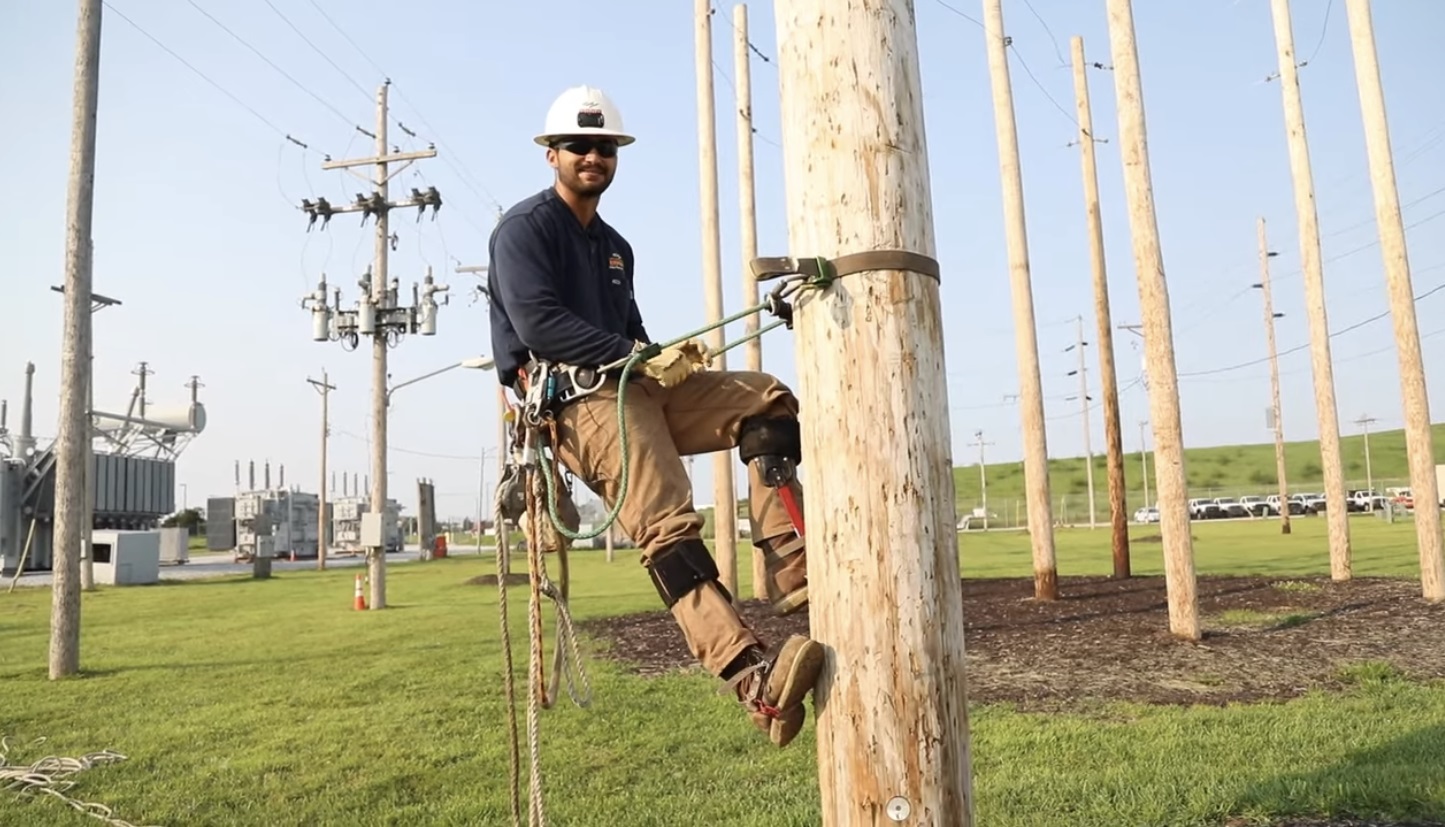

How Dangerous Is Pole Climbing?
A High-Risk Profession Requiring Rigorous Safety Protocols
Pole climbing is extremely dangerous, with risks including electrocution, falls from significant heights, and severe musculoskeletal injuries. It is classified as one of the most hazardous professions, particularly for utility linemen and telecommunications workers who perform it regularly. While comprehensive safety standards and equipment have significantly reduced fatalities over the decades, the inherent dangers of working at height on energized structures mean the job demands exceptional training, vigilance, and adherence to protocols to mitigate its risks.
The Inherent Dangers of Pole Climbing
Pole climbing, an essential skill for linemen and telecom technicians, involves ascending wooden, concrete, or steel poles to install, maintain, or repair power lines and communication cables. The primary dangers stem from two factors: height and electricity.
1. Risk of Electrocution and Electrical Burns
The most immediate and severe danger is contact with energized power lines. Despite safety protocols, accidents happen:
- Contact with High Voltage: Direct contact with live wires can cause electrocution, which is often fatal. Electrical current can also arc or “jump” through the air if a worker gets too close to high-voltage lines.
- Inadequate Grounding: If a pole or equipment is not properly grounded, a worker can become the path to ground for electrical current.
- Equipment Failure: Damaged or improperly tested insulating gloves, sleeves, or tools can fail, leading to electrical shock.
- Unexpected Re-energization: A line believed to be de-energized can accidentally be turned back on, a leading cause of fatal incidents.
Electrical burns are also common and can be catastrophic, causing severe tissue damage and requiring extensive medical treatment.
2. Risk of Falls
Falls from elevation are a leading cause of death in construction and utility work.
- Structural Failure: A rotten wooden pole or a poorly installed concrete pole can snap under a climber’s weight.
- Equipment Failure: Climbing gaffs (spikes) can kick out or penetrate improperly, safety belts can slip, and lanyards can fail.
- Human Error: A simple misstep, loss of balance, or becoming dizzy can lead to a fall. This is exacerbated by heavy tool belts and working in adverse weather conditions like high winds or rain.
- “Pole Shock”: Upon contacting an energized line, a climber’s muscles can seize, causing them to lose their grip and fall.
3. Musculoskeletal and Repetitive Stress Injuries
Even without a catastrophic accident, the trade takes a physical toll.
- Gaffing Out: When a climber’s gaff slips out of the pole, it can lead to a violent swing into the pole, causing knee, hip, or back injuries.
- Strains and Sprains: Lifting heavy equipment and transformers while suspended from a belt places immense strain on the back and core.
- Long-Term Damage: Years of climbing can lead to chronic knee and joint problems from the repeated impact of gaffs and the physical demands of the job.
Safety Protocols and Equipment That Mitigate Risk
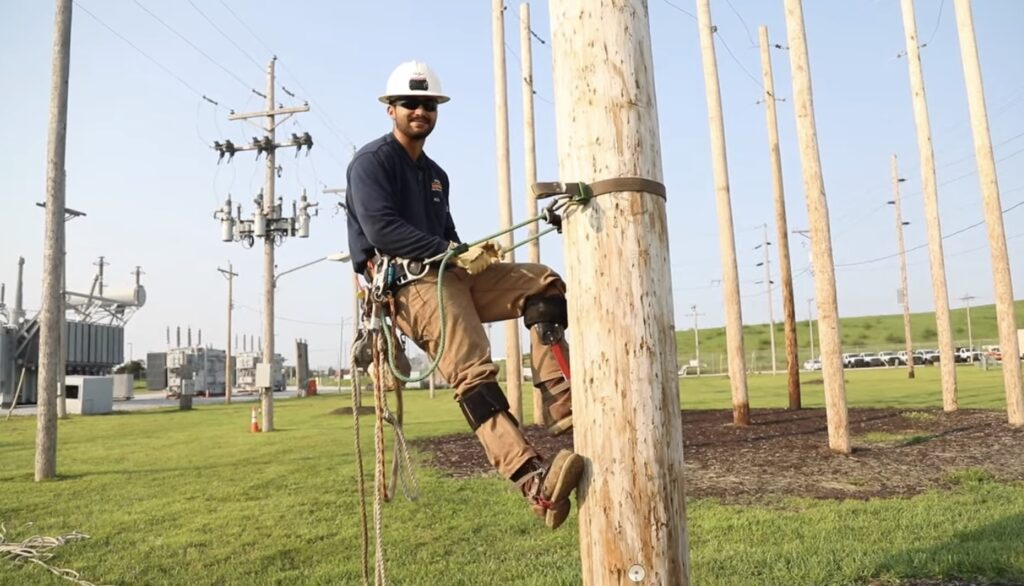
The high fatality rate among linemen in the early 20th century led to the development of rigorous safety standards, primarily enforced by the Occupational Safety and Health Administration (OSHA). Strict adherence to these protocols is what makes the job manageable.
Essential Safety Equipment
| Equipment | Purpose | Risk Mitigated |
|---|---|---|
| Climbing Belt & Safety Strap | To secure the climber to the pole, allowing hands-free work and preventing a fall. | Falls |
| Climbing Gaffs (Spikes) | Spiked attachments strapped to boots for digging into and ascending wooden poles. | Falls (must be used correctly) |
| Insulating Rubber Gloves & Sleeves | Protect against electrical shock when working on or near energized equipment. | Electrocution |
| Hard Hat | Protects from falling objects and impact with the pole or equipment. | Head Trauma |
| Fall Arrest System | Used on towers and certain poles; designed to arrest a fall before the worker hits the ground. | Falls |
| Voltage Detectors | Used to test lines to confirm they are de-energized before work begins. | Electrocution |
| Proper Personal Protective Equipment (PPE) | Flame-resistant (FR) clothing to protect against arc flashes. | Electrical Burns |
Critical Safety Protocols
- De-energizing Lines: The golden rule is to work on de-energized lines whenever possible. This involves switching, locking out, and tagging out circuits to ensure they cannot be re-energized during work.
- Job Briefings: Before any job, the crew holds a meeting to discuss hazards, procedures, and safety responsibilities.
- Minimum Approach Distances (MAD): OSHA mandates strict minimum distances a worker must maintain from energized lines based on the voltage.
- Inspection of Equipment: All equipment, from gaffs to gloves to belts, must be inspected before every use for signs of wear, damage, or defects.
- Comprehensive Training: Apprentices undergo years of training, including climbing school, to learn proper techniques and safety procedures before working live.
The Reality of the Risks: Statistics and Context
While still dangerous, safety advancements have dramatically improved outcomes.
- The Center for Disease Control (CDC) and Bureau of Labor Statistics (BLS) consistently rank electrical power-line installers and repairers among the top 10 most dangerous jobs in America, with a fatality rate significantly higher than the national average for all occupations.
- Most fatalities are caused by electrocution and falls.
- The focus on safety has reduced incidents, but the risk can never be eliminated due to the unpredictable nature of working with high-voltage electricity, often in emergency weather conditions like storms and hurricanes.
Key Takeaway: A Calculated Risk
Pole climbing remains an inherently dangerous activity. The risks of electrocution, falls, and long-term physical injury are ever-present. However, it is a managed risk. The profession’s culture is deeply rooted in safety, with rigorous training, strict protocols, and specialized equipment designed to protect workers.
The danger is not taken lightly; it is respected. For those in the trade, safety is not just a set of rules but a mindset essential for survival. For anyone considering the profession or observing it, understanding these dangers underscores the skill and courage required to keep the lights on.
Here’s an interesting read on Auto Draft.

Lorenzo Sloan is a safety advocate from Los Angeles who exposes hidden and everyday dangers through research-based blogging. With a background in social work, he aims to keep readers informed, cautious, and prepared for the unexpected risks around them.