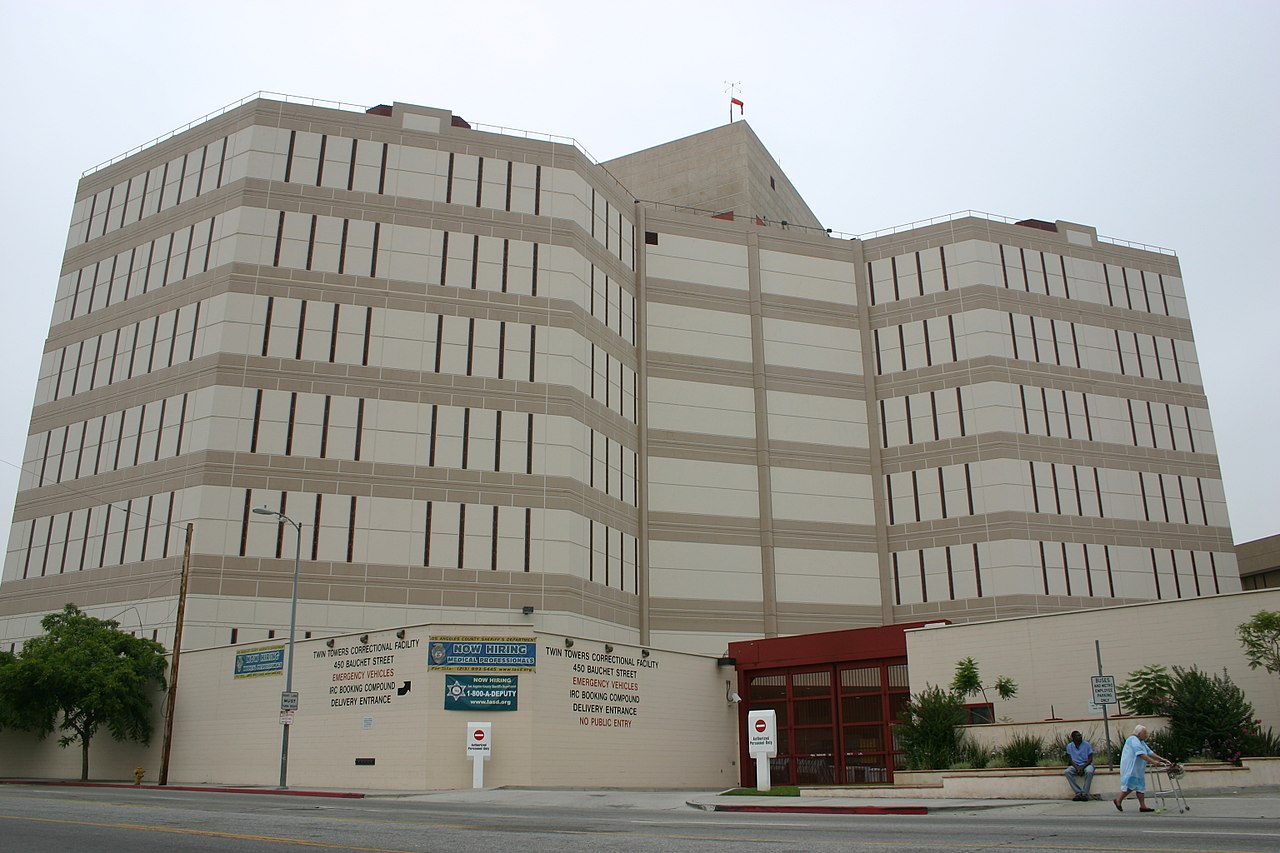

How Dangerous Is LA County Jail?
A Crisis of Violence, Neglect, and Inhumane Conditions
LA County Jail is extremely dangerous, with a documented history of violence, preventable deaths, severe overcrowding, and inhumane conditions that have drawn national scrutiny and legal action. As the largest jail system in the United States, it has faced decades of criticism for its culture of impunity, inadequate medical and mental healthcare, and systemic failures that jeopardize the safety of both inmates and staff. This article examines the factors contributing to its dangers, including rising death rates, deplorable living conditions, and ongoing legal battles, while also exploring potential solutions and reforms.
Rising Death Toll and Mortality Rates
LA County Jail has experienced a shocking increase in inmate deaths, with 114 fatalities reported since the start of 2023 and 37 deaths in 2025 alone—the deadliest year on record . The mortality rate is driven by:
- Suicides, homicides, and drug overdoses, which account for approximately 40% of deaths .
- Preventable “natural causes” linked to neglect, such as hypothermia and untreated medical conditions .
- Overdoses, which made up 20% of deaths between 2018 and 2022 .
The jail’s mortality crisis is exacerbated by overcrowding, which strains resources and limits access to emergency care. Many deaths occur among pretrial detainees who have not been convicted of a crime but cannot afford bail .
Inhumane Living Conditions
LA County Jail violates basic human dignity through conditions described as “medieval” and “uninhabitable” in state lawsuits . Key issues include:
- Sanitation failures: Inmates are exposed to raw sewage, overflowing toilets, and feces-smeared walls . Some cells have non-functional plumbing, forcing inmates to live in waste .
- Vermin and infestations: Jails are plagued by rats, cockroaches, and insects .
- Spoiled food and contaminated water: Meals are often moldy, nutritionally inadequate, or inedible, and clean water is inconsistently available .
- Lack of basic supplies: Inmates are denied hygiene products (soap, toilet paper, menstrual supplies) and adequate bedding, sometimes sleeping on urine-soaked floors or using trash bags as blankets .
These conditions have provoked condemnation from human rights organizations, including a United Nations Human Rights Council panel that visited in 2023 .
Mental Health and Medical Care Crises
LA County Jail is often called the “largest mental health institution” in the U.S., with 48% of inmates diagnosed with mental health conditions . However, care is severely inadequate:
- Staff shortages: As of February 2023, 44% of mental health staff positions were vacant .
- Neglect and abuse: Mentally ill inmates are chained to tables, denied clothing, and isolated in solitary confinement without treatment .
- Suicide epidemic: Suicide rates are at their highest since 2013, driven by hopelessness and neglect . One inmate with documented injuries was wrongly ruled a suicide despite evidence of blunt force trauma .
- Withheld medical care: Requests for medical attention are often met with indifference or retaliation . In one case, a man showed signs of hypothermia but was ruled to have died of “natural causes” .
Violence and Deputy Gangs
Violence is pervasive, fueled by overcrowding, gang activity, and a culture of impunity among sheriff’s deputies:
- Deputy gangs: Groups like the “3000” gang control floors and engage in systematic beatings and abuse . Inmates have been severely injured or killed during these incidents, with injuries including broken bones, internal bleeding, and head trauma .
- Staff negligence: Videos show staff failing to intervene in violent assaults for over 10 minutes .
- Retaliation and falsified evidence: Inmates are often charged with fake crimes or subjected to retaliatory violence for reporting abuse .
Structural and Systemic Issues
Overcrowding and Overcapacity
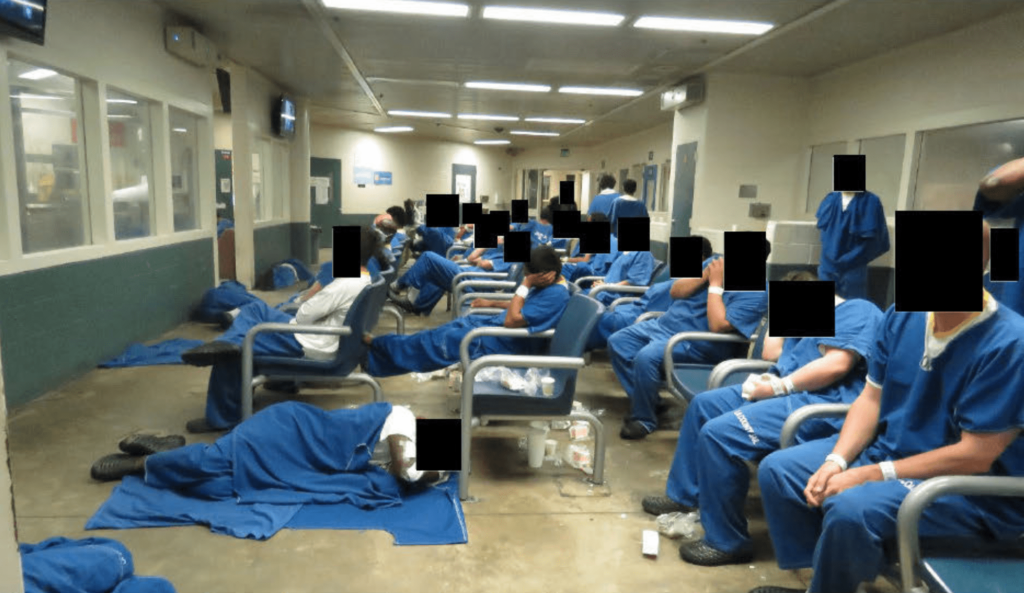
The jail system operates at up to 9% over capacity, housing approximately 14,000 inmates daily in facilities designed for far fewer . Overcrowding leads to:
- Eight to 16 people held in four-person cells .
- Sleeping on floors in intake areas covered in garbage and waste .
- Resource shortages for food, water, and healthcare .
Racial Disparities
In-custody deaths disproportionately affect Black and Latino inmates:
- 33% of deaths were Black inmates.
- 42% of deaths were Hispanic inmates .
Many are pretrial detainees held because they cannot afford bail, highlighting biases in the justice system .
Legal and Regulatory Failures
Despite decades of court monitoring and settlements, LA County has resisted meaningful reform:
- The state of California sued LA County in 2025 for unconstitutional conditions .
- The county has spent millions defending lawsuits instead of addressing root causes .
- Closure of Men’s Central Jail—approved in 2021—has been repeatedly delayed .
Reforms and Alternatives
Some progress has been made through diversion programs and court-mandated changes:
- Rapid Diversion Program: A pre-plea program that connects people to mental health services and housing instead of jail. It has a 0% rearrest rate for graduates and has helped over 8,500 people .
- Improved intake processes: Technological upgrades and increased staffing have reduced wait times in the Inmate Reception Center .
- Community-based treatment: Expansion of mental health beds and diversion programs aims to reduce jail populations .
However, these efforts are hampered by funding shortages, staffing crises, and political resistance .
LA County Jail Deaths (2023–2025)
Table: Annual deaths and demographics in LA County Jails
| Year | Total Deaths | Pretrial Deaths | Black Inmates | Hispanic Inmates |
|---|---|---|---|---|
| 2023 | 37 | 22 | 12 (33%) | 15 (42%) |
| 2024 | 40 | 25 | 13 (33%) | 17 (42%) |
| 2025 | 37 (as of Sept) | 22 | 12 (33%) | 15 (42%) |
Key Takeaway: A System in Critical Condition
LA County Jail remains one of the most dangerous correctional facilities in the United States due to systemic neglect, violence, and overcrowding. Despite ongoing lawsuits and reform efforts, inmates continue to face life-threatening conditions that violate basic human rights. Sustainable solutions require:
- Closing Men’s Central Jail and investing in community-based mental health care .
- Increasing transparency and accountability for deputy misconduct .
- Expanding diversion programs to reduce jail populations .
Until these changes are implemented, LA County Jail will continue to be a place where incarceration too often becomes a death sentence .
For more information on advocacy efforts and reform initiatives, visit organizations like Dignity and Power Now and Vera California .
Discover Auto Draft.

Lorenzo Sloan is a safety advocate from Los Angeles who exposes hidden and everyday dangers through research-based blogging. With a background in social work, he aims to keep readers informed, cautious, and prepared for the unexpected risks around them.