
Contents
Is Contact PVC Paper Dangerous?
Yes, contact PVC paper is dangerous due to its toxic chemical composition, which poses health risks through chemical leaching and environmental harm. This article explores the specific hazards of PVC-based contact paper, identifies safer alternatives, and provides practical guidance for consumers seeking non-toxic options for their homes.
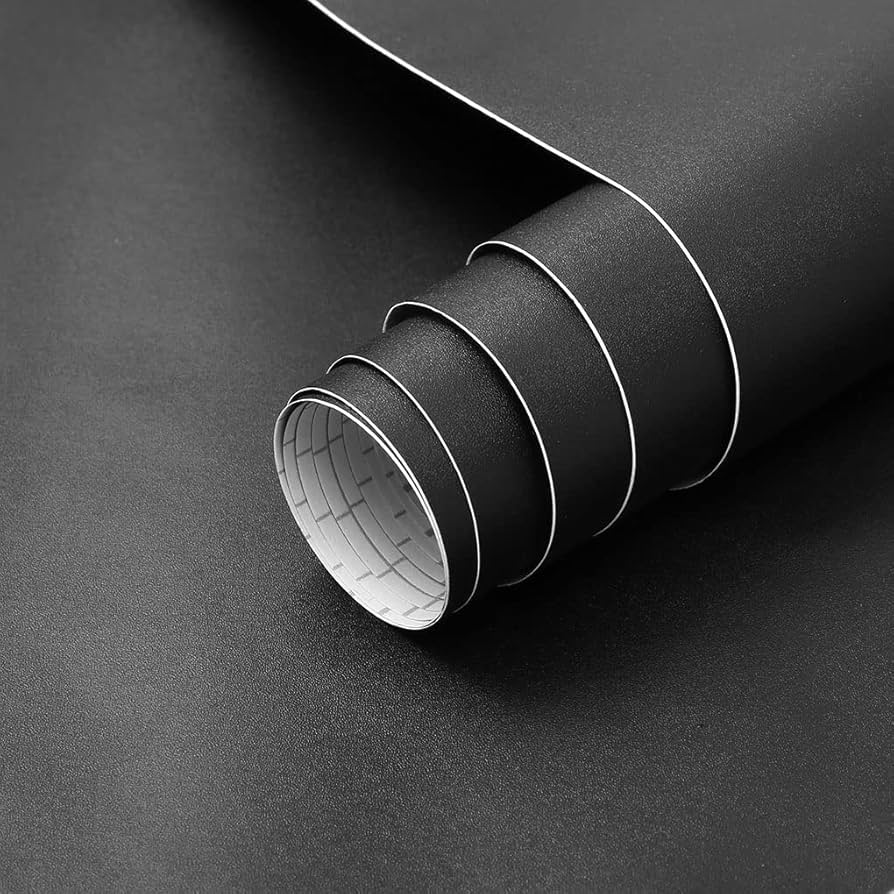
Contact paper is a popular adhesive-backed material often used for DIY projects, shelf lining, and decorative surfaces. Made primarily from polyvinyl chloride (PVC), it is praised for its affordability, versatility, and water-resistant properties. However, concerns about its potential dangers to human health and the environment have emerged. This article examines the safety of contact PVC paper, exploring its composition, risks, and safer alternatives.
Understanding Contact PVC Paper
Contact paper is a self-adhesive material typically composed of a decorative vinyl layer and an adhesive backing. The vinyl component is usually made from PVC (polyvinyl chloride), a synthetic plastic polymer known for its durability and resistance to moisture . Its versatility makes it ideal for covering countertops, cabinets, and other surfaces, providing an inexpensive way to refresh interiors. However, the very properties that make PVC useful also raise questions about its safety.
Potential Health Risks of PVC-Based Contact Paper
1. Chemical Leaching and Off-Gassing
PVC is inherently rigid and requires additives to achieve flexibility and stability. These additives, including phthalates (e.g., dibutyl terephthalate) and heavy metals (e.g., lead stearate), are toxic and not firmly bound to the plastic matrix. Over time, they can leach out or off-gas into the surrounding environment . Exposure to these chemicals has been linked to:
- Endocrine disruption: Phthalates can interfere with hormonal systems.
- Carcinogenic effects: Vinyl chloride, a key monomer in PVC, is classified as a Group 1 carcinogen by the International Agency for Research on Cancer (IARC) .
- Respiratory and neurological issues: Inhalation of off-gassed chemicals like vinyl chloride or hydrogen chloride can cause dizziness, headaches, and respiratory irritation .
2. Risks During Heating and Damage
When exposed to heat or sunlight, PVC-based contact paper can degrade and release hazardous chemicals. For example:
- Toxic fumes: Heating PVC produces hydrogen chloride gas, dioxins, and volatile organic compounds (VOCs), which are harmful when inhaled .
- Degradation of adhesive: Moisture or heat can compromise the adhesive layer, allowing water to seep in and accelerate chemical leaching .
3. Environmental Impact
The environmental dangers of PVC extend throughout its lifecycle:
- Production: PVC manufacturing involves toxic chemicals like chlorine gas and vinyl chloride, which pollute air and water .
- Disposal: PVC is not biodegradable and accounts for a significant portion of solid waste. When incinerated, it releases dioxins and hydrochloric acid, contributing to environmental pollution .
- Recycling challenges: PVC contaminates recycling streams due to its chlorine content, making it difficult to repurpose .
Safety Precautions for Using Contact PVC Paper
While completely avoiding PVC may be ideal, practical use often requires caution. Here are key safety measures:
1. Avoid High-Heat and High-Moisture Areas
Do not use PVC contact paper in areas exposed to heat or excessive moisture, such as:
- Shower walls or near sinks where hot water and steam can accelerate degradation .
- Kitchen countertops near stoves or other heat sources.
2. Ensure Proper Ventilation
When installing contact paper, ensure the space is well-ventilated to disperse any chemicals released during application. This reduces inhalation risks .
3. Choose Safer Alternatives
Opt for PVC-free contact papers made from:
- Polyethylene (PE)
- Polypropylene (PP)
- Natural materials like paper or bamboo-based liners . These materials are less likely to contain toxic additives and are more environmentally friendly.
4. Follow Disposal Guidelines
Dispose of PVC contact paper according to local regulations. Do not burn it, as this releases toxic fumes.
Is Contact PVC Paper Dangerous?
Debunking Myths About PVC Contact Paper
Myth 1: “All PVC Products Are Equally Dangerous.”
Fact: Risk depends on formulation and use. Rigid PVC (without softeners) is less likely to leach chemicals than soft PVC. However, even rigid PVC may contain stabilizers like lead or cadmium .
Myth 2: “If There’s No Odor, It’s Safe.”
Fact: Many harmful chemicals released by PVC are odorless. Lack of smell does not indicate safety .
Myth 3: “PVC Is Safe for Short-Term Use.”
Fact: Even short-term exposure can pose risks, especially in poorly ventilated spaces or when used near food .
Regulatory Status and Industry Response
Regulations around PVC vary globally:
- The European Union has restricted certain additives in PVC under REACH regulations and mandated labeling for products containing heavy metals .
- In the United States, PVC use in food packaging is regulated, but gaps remain in addressing all health risks . Many companies are transitioning to safer alternatives. For example, some manufacturers now offer PVC-free contact papers made from polyethylene or polypropylene .
Contact PVC paper offers a convenient and affordable solution for home decor, but it is not without risks. The potential for chemical leaching, especially under heat or moisture, and its environmental impact make it a concerning choice for health-conscious consumers. By understanding these dangers and adopting precautions—such as avoiding high-heat areas, ensuring ventilation, and opting for PVC-free alternatives—users can mitigate risks. As regulations evolve and safer materials become more accessible, transitioning away from PVC-based products is a prudent step for both personal health and environmental sustainability.
Also check out are centipedes in the US dangerous?
Discover Are Pine Martens Dangerous? What You Need to Know.

Lorenzo Sloan is a safety advocate from Los Angeles who exposes hidden and everyday dangers through research-based blogging. With a background in social work, he aims to keep readers informed, cautious, and prepared for the unexpected risks around them.