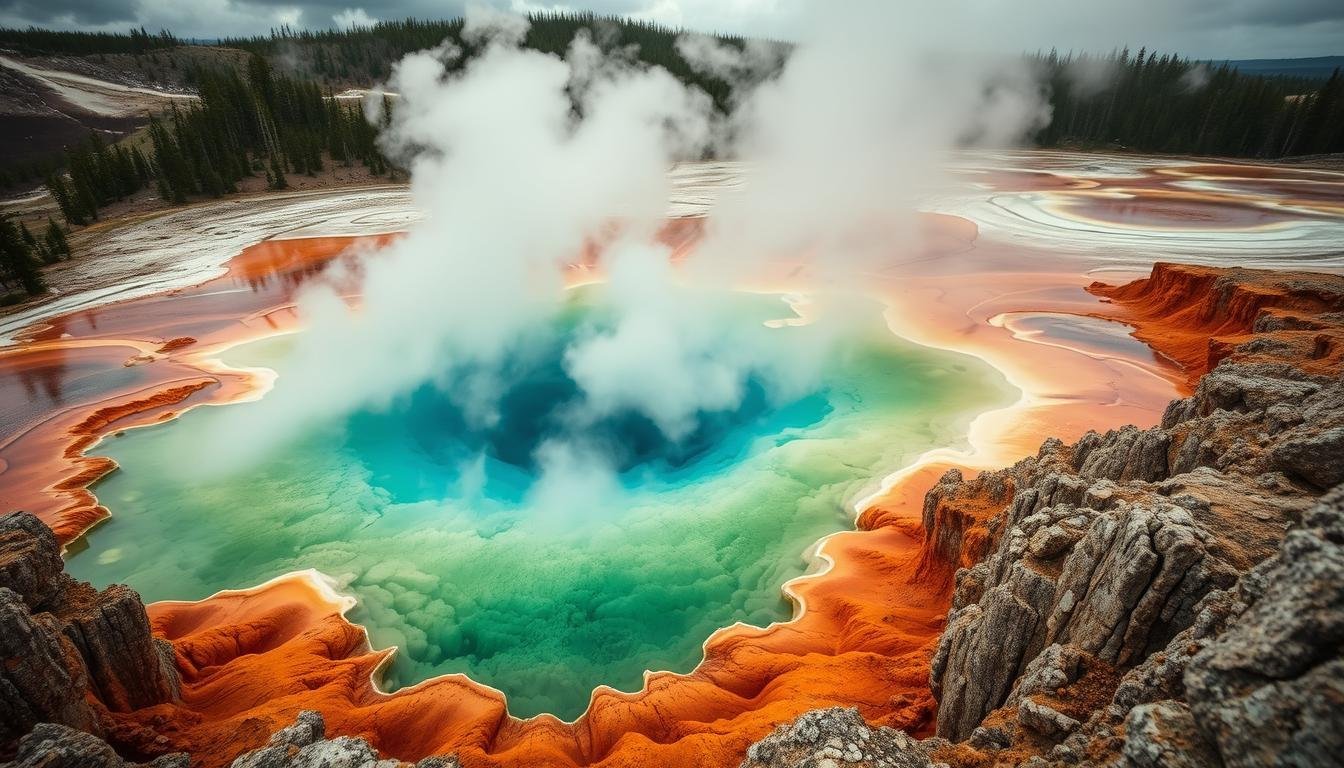
Dangers of Quarry Swimming: Quarry swimming might seem fun in the summer, but it’s risky. Abandoned quarries, used for swimming, can be dangerous. It’s important to know the risks.
Hidden hazards like submerged rocks and strong currents can cause serious injuries or even death. The water quality can also be unpredictable, possibly contaminated from various sources.
Before swimming in a quarry, it’s crucial to understand the dangers. Knowing these risks helps keep you and others safe. Always take precautions when swimming in quarries.
Contents
What Are Quarries and Why Do They Attract Swimmers?
Quarries are a hit with thrill-seekers and swimmers. They love the deep waters and the rough surroundings. But what are quarries, and why do people risk it despite the dangers?
A quarry is a big hole dug for mining stone, rock, sand, or slate. These holes fill with water, creating deep pools. These pools are clear and seem perfect for swimming.
Why Swimmers Are Attracted to Quarries
Swimmers like quarries for many reasons. The beauty of clear waters and rocky cliffs is a big draw. Diving into deep water and exploring old mines is exciting. Plus, quarries are often quiet, away from busy swimming spots.
But, the things that make quarries appealing also make them dangerous. The deep waters and rough edges can lead toquarry accidentsand increase therisks of swimming in quarries.
It’s important to know the risks of swimming in quarries. The beauty of quarries is real, but the dangers are too. Always think carefully before swimming in these places.
Why Are Quarries Dangerous to Swim In?
Swimming in quarries is risky, with many dangers hidden beneath the surface. The clear, cool waters might look inviting on a hot day. But, it’s important to know the risks.
Quarry swimming dangers include hidden underwater hazards, unstable terrain, and unpredictable water conditions. These can cause serious injuries or even death.
Unstable Terrain and Water Conditions
The area around and under quarries is often unstable. You might find steep cliffs, rocky shores, and hidden ledges. These can lead to severe injuries if you slip or fall.
The water in quarries can also be unpredictable. It can suddenly change temperature or have strong currents. These changes can surprise you.
- Hidden underwater obstacles like rocks, debris, or abandoned equipment.
- Cold water shock or hypothermia due to the cold water temperatures.
- Diving injuries from jumping into the water without checking its depth.
- Slipping or falling on the rocky or uneven terrain surrounding the quarry.
It’s essential to know these risks before swimming in a quarry. Understanding the dangers helps you make a safe choice.
Knowing about the hazards of quarry swimming helps protect you and others. It’s a way to stay safe.
Deadly Statistics: The Reality of Quarry Swimming Accidents
Quarry swimming accidents are a serious issue, with alarming statistics. They show the dangers of swimming in old quarries. Many people know the thrill of swimming in quarries, but the risks are real.
The numbers on quarry swimming accidents are scary. Many people die from drowning or injuries from diving. Here are some key statistics:
- Numerous fatalities occur each year due to quarry swimming accidents.
- The majority of these incidents involve young adults and teenagers.
- Diving into quarries often results in spinal cord injuries and head trauma.
These accidents hurt not just the person involved but also their families and communities. The emotional and financial costs are huge.
It’s important to understand the risks of swimming in quarries. By looking at the statistics on drowning and accidents, you can make safer choices during the summer.
Some reasons for quarry swimming accidents include:
- Lack of safety measures and supervision at quarry sites.
- Inadequate knowledge of the water conditions and hidden dangers.
- Risk-taking behaviors, such as diving into unknown waters.
Knowing these factors and the statistics on quarry swimming accidents helps keep you and others safe.
Health Hazards Beyond Drowning
Swimming in a quarry can expose you to many health risks. It’s not just about drowning. There are other health issues you might face.
One big risk is getting waterborne illnesses. Quarries can have harmful bacteria and viruses. For example, Naegleria fowleri, a deadly amoeba, can be found in warm, freshwater places like quarries. Getting infected is rare but can be deadly.
Swimming in quarries can also lead to injuries. The rocky bottom and hidden objects can cause cuts and bruises. Diving can even lead to serious spinal injuries, like paralysis, from hitting the bottom or objects underwater.
Some health hazards of swimming in quarries include:
- Waterborne illnesses from bacteria and viruses
- Injuries from diving or collisions with submerged objects
- Exposure to extreme water temperatures, potentially leading to hypothermia

The water quality in quarries can also be unpredictable. It might have harmful chemicals or heavy metals. This can happen due to agricultural runoff, nearby industrial activities, or natural formations.
To stay safe, it’s important to know the risks before swimming in a quarry. Knowing these risks helps you make safer choices.
Legal Consequences and Liability Issues
Quarry swimming dangers go beyond health risks to include serious legal issues. If you’re thinking about swimming in a quarry, knowing the legal risks is key.
Swimming in a quarry can lead to severe legal problems, affecting both the swimmer and the property owner. If caught, you might face fines or penalties. Property owners could also be held responsible if they don’t secure their property or warn trespassers.
The legal fallout from quarry swimming accidents can be severe. For example, if someone gets hurt, they or their family might sue the property owner. This could lead to big financial losses.
| Legal Issue | Swimmer’s Liability | Property Owner’s Liability |
|---|---|---|
| Trespassing | Fines, potential arrest | Potential liability for failing to secure property |
| Accidents/Injuries | Potential lawsuits for reckless behavior | Potential lawsuits for failing to warn of dangers |
| Property Damage | Liable for damages caused | Potential liability if damage is due to negligence |
Knowing these legal risks is vital for making smart choices about swimming in quarries. It’s not just about the excitement; it’s about understanding the legal risks involved.
Conclusion: Dangers of Quarry Swimming
As summer comes, many want to cool off in the water. Quarries might seem appealing, but the dangers are too great. You’ve seen how swimming in quarries can lead to drowning, health issues, legal troubles, and more.
So, what’s a safer choice? Look into local pools or beaches with lifeguards. These spots are safer for you and your family. Choosing these alternatives means you can have fun without the risks of quarries.
Before swimming, research the place and its risks. This way, you can enjoy the water safely. Avoiding quarries is key to a fun and safe swim.
See Also: Why is Oregon Inlet So Dangerous? Explore the Risks
FAQ
What are the main dangers associated with quarry swimming?
Quarry swimming is risky due to hidden underwater dangers, unstable ground, and unpredictable water. These can cause injuries, drowning, and health problems.
Why are quarries attractive to swimmers despite the dangers?
Quarries draw swimmers with their natural beauty and thrill. This often tempts people to swim there, ignoring the risks.
Are there any legal consequences for swimming in quarries?
Yes, swimming in quarries can lead to legal trouble. This includes liability for swimmers and property owners in case of accidents.
What are some safe alternatives for summer swimming?
Safe summer swimming spots include public pools and beaches. These places are monitored and kept safe for swimmers.
How can I minimize risks when swimming?
To stay safe while swimming, swim in designated areas. Follow safety rules and be alert to your surroundings and water conditions.
You’ll be interested in Why Blue Hole Dahab is Considered Dangerous?.

Lorenzo Sloan is a safety advocate from Los Angeles who exposes hidden and everyday dangers through research-based blogging. With a background in social work, he aims to keep readers informed, cautious, and prepared for the unexpected risks around them.