
Contents
Are Raw Potatoes Dangerous for Wildlife to Eat?
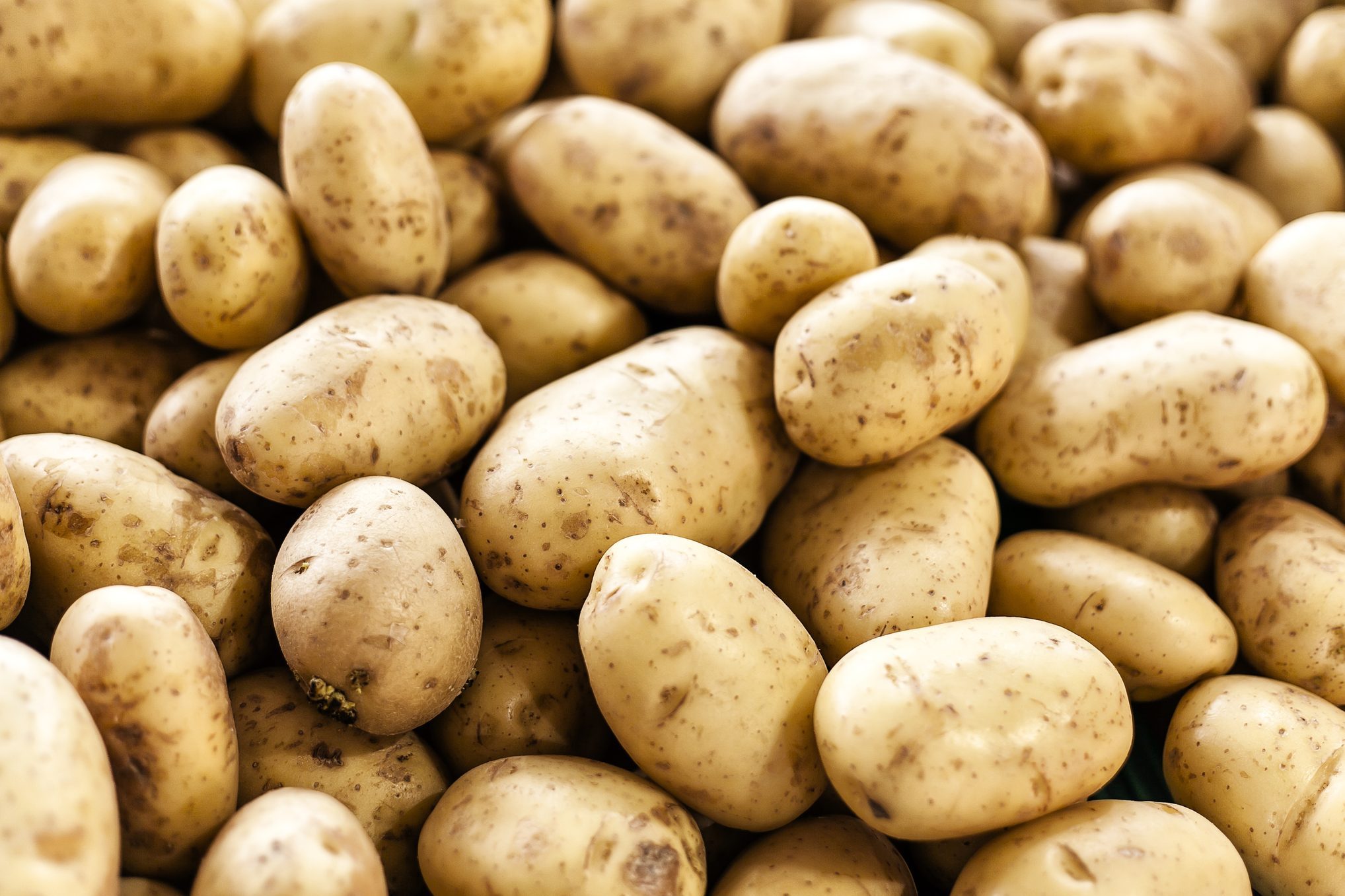
Yes, raw potatoes are dangerous for wildlife to eat due to the presence of solanine, a natural toxin found in members of the nightshade family, including raw potatoes and their sprouts. This glycoalkaloid poison can cause severe gastrointestinal distress, neurological issues, and even death in various wildlife species, particularly birds and mammals . However, when properly prepared (cooked and peeled), potatoes can be a safe and nutritious food source for many animals. This article explores the risks of raw potatoes, identifies vulnerable species, and provides guidelines for safely offering potatoes to wildlife.
Understanding Solanine Toxicity in Raw Potatoes
What Makes Raw Potatoes Dangerous?
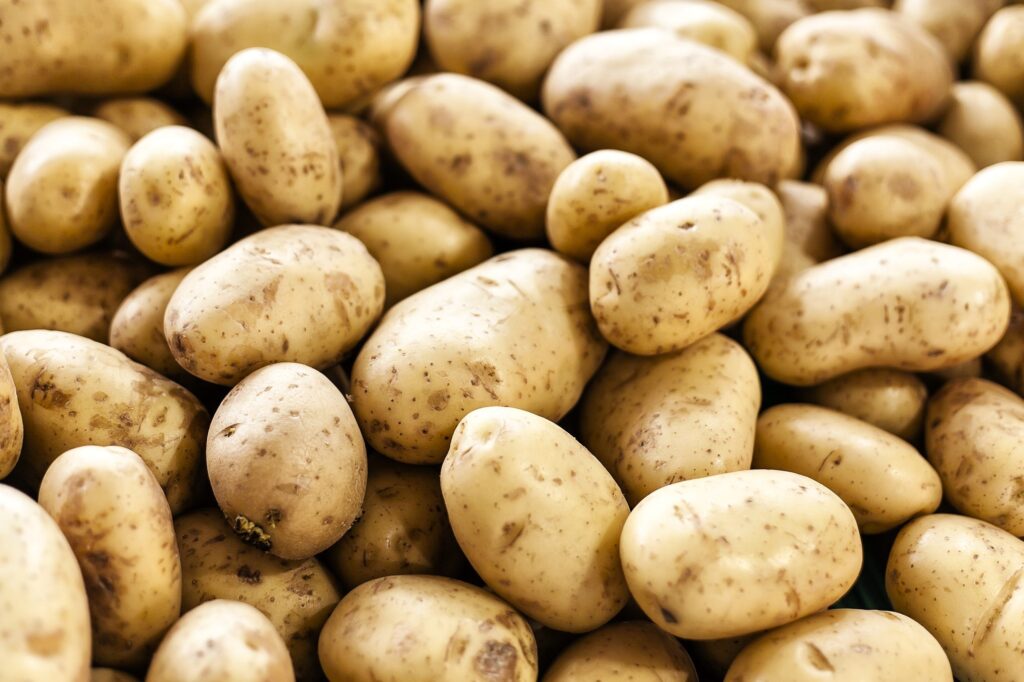
Solanine is a natural defense mechanism produced by plants in the Solanum genus, including potatoes, tomatoes, and eggplants. It acts as a natural pesticide, protecting the plant from insects, fungi, and herbivores. In potatoes, solanine concentrations are highest in:
- Green tubers (exposed to light during growth or storage)
- Sprouts and eyes
- Peels and surface layers
- Damaged or rotting areas
Even small amounts of solanine can be harmful. Doses of 2-5 mg per kg of body weight can cause toxic symptoms in mammals, while 3-6 mg/kg may be fatal. For birds, which have smaller body weights, even minimal exposure can be dangerous .
Symptoms of Solanine Poisoning in Wildlife
Animals that consume raw potatoes may exhibit:
- Gastrointestinal distress: Vomiting, diarrhea, abdominal pain, and drooling
- Neurological issues: Dizziness, tremors, paralysis, and seizures
- Respiratory problems: Difficulty breathing, rapid breathing, or respiratory failure
- Cardiac effects: Irregular heart rhythms and circulatory collapse
- Lethargy and weakness, often progressing to coma or death
Symptoms typically appear within 2-24 hours of ingestion, though high doses can cause effects in as little as 30 minutes. Severity depends on the amount consumed, the solanine concentration in the potatoes, and the animal’s size and species .
Wildlife Species at Risk
Birds
Many people enjoy feeding birds, but raw potatoes pose significant risks:
- Wild birds (e.g., magpies, starlings, blackbirds): Raw potatoes can cause digestive issues and neurological problems. Birds are particularly vulnerable due to their small size and rapid metabolism .
- Poultry and farmed birds: Chickens, ducks, and turkeys may encounter raw potatoes in agricultural settings, leading to potential poisoning.
However, cooked, unseasoned potatoes are safe and nutritious for many birds, providing carbohydrates for energy and essential vitamins like B6 and C .
Mammals
- Rodents (e.g., hamsters, squirrels, mice): Studies show that solanine causes severe gastric and intestinal mucosal necrosis in hamsters, often leading to death .
- Livestock (e.g., cattle, sheep, pigs): While potatoes are sometimes used as feed, raw or spoiled potatoes can cause poisoning. Symptoms include respiratory distress, gastrointestinal necrosis, and even sudden death .
- Pets (e.g., dogs, cats): The ASPCA warns that raw potatoes can cause significant gastrointestinal upset in pets. Tomato plants and unripe tomatoes contain related toxins like tomatine .
- Deer and wild herbivores: These animals may dig up and consume raw potatoes from gardens, potentially suffering from solanine poisoning.
Species-Specific Sensitivity
| Species | Sensitivity Level | Common Symptoms | Fatal Dose (Approx.) |
|---|---|---|---|
| Birds | High | GI distress, neurological issues | 20-40 mg (for small birds) |
| Rodents (e.g., hamsters) | High | GI necrosis, respiratory failure | 300-500 mg of sprout material |
| Dogs and Cats | Moderate to High | Vomiting, diarrhea, cardiac issues | Varies by size |
| Livestock (cattle) | Moderate | Respiratory distress, sudden death | 7+ kg of damaged tubers |
| Deer | Unknown | Likely GI and neurological | Not established |
Safe Alternatives and Feeding Practices
How to Safely Offer Potatoes to Wildlife
If you wish to provide potatoes to wildlife, follow these guidelines:
- Always cook potatoes thoroughly: Boiling, baking, or steaming without any seasoning, butter, or oil effectively reduces solanine levels. Cooking breaks down the toxin, making potatoes safe for consumption .
- Peel the potatoes: Since solanine concentrates in the skin and just beneath, peeling eliminates a significant portion of the toxin .
- Avoid green, sprouted, or damaged potatoes: These contain higher solanine concentrations. Discard them instead of feeding them to animals .
- Offer in moderation: Even cooked potatoes should be an occasional treat, not a staple. Their high starch content can cause weight gain if overconsumed .
- Cut into small pieces: For birds and small mammals, chop cooked potatoes into bite-sized chunks to prevent choking and make eating easier .
Nutritious Alternatives to Raw Potatoes
- Sweet potatoes: Although not related to regular potatoes, cooked sweet potatoes are safe, highly nutritious, and lack solanine. They are rich in vitamin A and other nutrients beneficial for wildlife .
- Other safe foods: Birdseed mixes, unsalted nuts, fruits like apples and berries, and leafy greens are excellent alternatives that provide essential nutrients without the risks associated with raw potatoes.
- Commercial wildlife feeds: Formulated specifically for different species, these products ensure balanced nutrition and safety.
Ecological Impact and Responsible Wildlife Feeding
The Role of Natural Foraging
Wildlife typically thrives on their natural diets. While supplemental feeding can help in harsh conditions or urban environments, it should not replace natural foraging. Introducing inappropriate foods like raw potatoes can:
- Disrupt natural feeding behaviors
- Cause nutritional imbalances
- Increase dependency on human-provided foods
- Spread diseases through concentrated feeding sites
When Feeding Wildlife Is Appropriate
- During extreme weather: Such as winter freezes or summer droughts when natural food sources are scarce.
- For rehabilitation: Injured or orphaned animals under care may require supplemental feeding.
- In urban/suburban areas: Where habitat loss has reduced natural food availability. However, this should be done responsibly with species-appropriate foods.
Legal and Ethical Considerations
Before feeding any wildlife:
- Check local regulations: Some areas prohibit feeding certain wildlife to avoid habituation, disease spread, or human-wildlife conflicts.
- Avoid overcrowding: Concentrated feeding can attract predators or lead to territorial disputes.
- Maintain cleanliness: Regularly clean feeding areas to prevent mold growth and disease transmission.
What to Do If You Suspect Poisoning
If you observe an animal showing signs of solanine poisoning:
- Contact a wildlife rehabilitator or veterinarian immediately. Provide details about what the animal consumed and the symptoms observed.
- Remove the source of toxic food to prevent further consumption by other animals.
- Do not attempt to treat the animal yourself, as improper handling can cause additional stress or harm.
For general inquiries about wildlife poisoning, resources like the ASPCA Animal Poison Control Center (APCC) offer guidance .
Key Takeaway
Raw potatoes are dangerous for wildlife to eat due to their solanine content, which can cause severe poisoning and even death in birds, mammals, and other animals. However, cooked, peeled potatoes offered in moderation are a safe and nutritious supplement for many species. Responsible wildlife feeding practices prioritize animal health and ecological balance, ensuring that human interactions support rather than harm local ecosystems. By understanding the risks and alternatives, we can make informed decisions that benefit the wildlife we aim to protect.
For more detailed information on solanine toxicity and safe wildlife feeding practices, consult resources like the ASPCA, veterinary toxicology databases, or wildlife rehabilitation centers.
Read more about Dangers of Mutable Signs: What You Need to Know.

Lorenzo Sloan is a safety advocate from Los Angeles who exposes hidden and everyday dangers through research-based blogging. With a background in social work, he aims to keep readers informed, cautious, and prepared for the unexpected risks around them.