
Contents
Are Centipedes in the US Dangerous?
While centipedes in the U.S. are generally not dangerous, they can cause painful bites and discomfort, especially from larger species.
Centipedes, with their numerous legs and swift movements, often evoke fear and discomfort when encountered in homes across the United States. A common question among homeowners is whether these arthropods pose any real danger. The answer is nuanced: while most centipedes found in the U.S. are not life-threatening, their bites can cause pain and discomfort, and some species may trigger allergic reactions. This article explores the potential risks associated with centipedes, their behavior, and how to manage encounters with these fascinating yet misunderstood creatures.
Understanding Centipede Species in the US
In the United States, several species of centipedes are commonly encountered, each with varying levels of potential harm to humans. The most prevalent species is the house centipede (Scutigera coleoptrata), which is typically 1–2 inches long, has a yellowish-brown body with dark stripes, and is known for its rapid movements. This species is found throughout the country, particularly in damp, dark areas like basements, bathrooms, and crawl spaces.
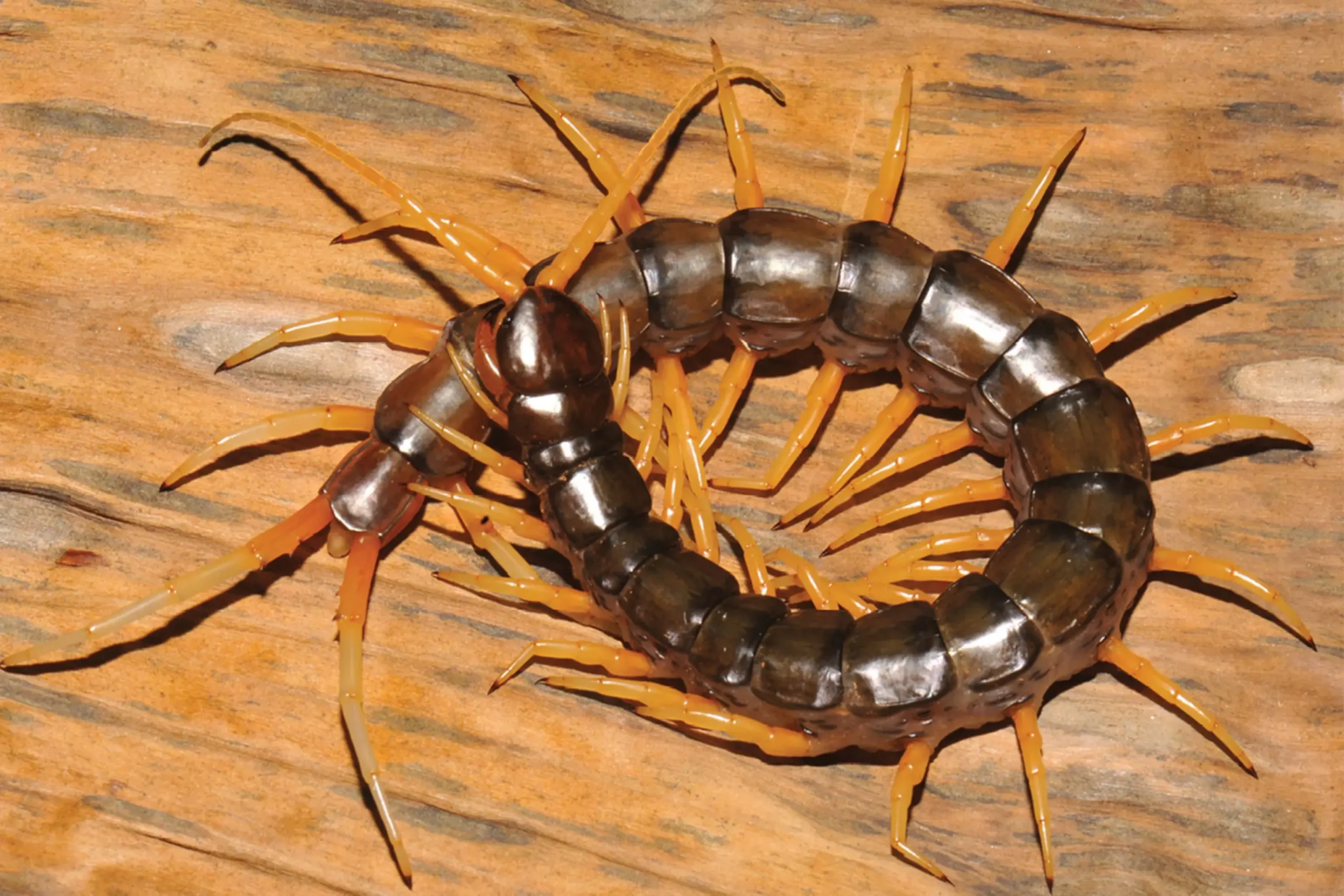
Larger and more formidable species, such as the giant desert centipede (Scolopendra heros) and the Texas redheaded centipede (Scolopendra polymorpha), are primarily found in the southwestern states. These centipedes can grow up to 8–10 inches long and are more aggressive than house centipedes. Their bites are painful and can cause significant discomfort, though they are rarely life-threatening .
| U.S. Centipede Species | Typical Size | Region Found | Risk Level |
|---|---|---|---|
| House Centipede | 1-2 inches | Nationwide | Low |
| Giant Desert Centipede | 6-8 inches | Southwest | Moderate |
| Texas Redheaded Centipede | 6-8 inches | Southwest | Moderate |
Are Centipedes Dangerous to Humans?
Centipedes are venomous, not poisonous, meaning they inject venom through their modified front legs, called forcipules, which act like pincers. This venom is used to subdue prey, such as insects and spiders, but can also be deployed in self-defense if a centipede feels threatened .
For most people, a bite from a common house centipede results in mild symptoms similar to a bee sting: slight pain, redness, and swelling at the bite site. Their jaws are weak and often unable to break human skin, so bites are rare and typically harmless .
However, bites from larger species, like the giant desert centipede or Texas redheaded centipede, can be more severe. Symptoms may include:
- Intense pain and swelling
- Redness and inflammation
- Nausea, dizziness, or headache (in sensitive individuals) .
In rare cases, individuals may experience allergic reactions, including anaphylaxis, which requires immediate medical attention. Those allergic to other insect venoms (e.g., bees or wasps) should be particularly cautious .
Risks to Pets
Centipedes can also bite pets like cats and dogs, though the effects are usually mild. Most house centipedes do not inject enough venom to harm pets, but larger species may cause more discomfort. Symptoms in pets can include:
- Swelling at the bite site
- Drooling or restlessness
- Temporary pain or discomfort .
Small pets or those with allergies may experience more severe reactions, so monitoring and consulting a veterinarian is advised if a bite occurs .
Why Centipedes Enter Homes
Centipedes seek out indoor environments for shelter, moisture, and food. They are attracted to damp, dark areas like basements, bathrooms, and under sinks. Their presence often indicates other underlying pest problems, as they prey on insects like cockroaches, silverfish, and spiders.
Are Centipedes in the USA Dangerous?
To prevent centipede infestations:
- Reduce moisture by using dehumidifiers and fixing leaks.
- Seal entry points such as cracks in foundations, gaps around windows, and holes in screens.
- Remove clutter where centipedes can hide, such as stacks of cardboard or unused items in damp areas.
- Address other pest issues to eliminate their food sources .
What to Do If Bitten
If bitten by a centipede, follow these steps to minimize discomfort and prevent infection:
- Clean the bite area with soap and water.
- Apply a cold compress to reduce swelling and numb the pain.
- Use over-the-counter treatments like antihistamines or pain relievers if needed.
- Monitor for severe symptoms, such as difficulty breathing, widespread swelling, or signs of infection (e.g., pus or red streaks). Seek medical attention if these occur .
For pets, clean the bite area and consult a veterinarian if symptoms persist or worsen.
The Beneficial Side of Centipedes
Despite their unsettling appearance, centipedes play a beneficial role in controlling other pests. As natural predators, they help reduce populations of insects like cockroaches, ants, and spiders, which can be more problematic for homeowners. In this way, having a few centipedes in your home can act as a form of biological pest control .
However, their presence often indicates underlying issues, such as excess moisture or other insect infestations, that should be addressed to maintain a healthy living environment.
Centipede Bite Severity Comparison
Here’s a quick comparison of bite severity across common U.S. centipede species:
| Species | Bite Severity | Common Symptoms | Medical Attention Needed |
|---|---|---|---|
| House Centipede | Mild | Slight pain, redness, swelling | Rarely |
| Giant Desert Centipede | Moderate | Intense pain, swelling, nausea | Occasionally |
| Texas Redheaded Centipede | Moderate | Severe pain, inflammation, allergic reactions | Occasionally |
Key Takeaways
- Most centipedes in the U.S. are not dangerous to humans or pets. The common house centipede poses little threat beyond a mild, painful bite.
- Larger species found in the Southwest can deliver more painful bites but are rarely life-threatening.
- Allergic reactions are possible but uncommon. Seek medical help if severe symptoms like difficulty breathing occur.
- Prevention involves reducing moisture, sealing entry points, and addressing other pest issues.
- Centipedes are beneficial in controlling other pests, but their presence may indicate underlying home maintenance issues.
While centipedes in the U.S. are generally not dangerous, they can cause painful bites and discomfort, especially from larger species. Understanding their behavior, taking preventive measures, and knowing how to respond to bites can help homeowners coexist with these arthropods or manage infestations effectively. If you have a significant centipede problem, it may be wise to consult a pest control professional to address both the centipedes and the underlying conditions attracting them .
For more information on pest control and management, refer to authoritative sources or contact a local pest control expert.
Also check out why the grand prismatic spring is so dangerous.
Learn more about Why Low Head Dams Can Be Dangerous for Small Boats?.

Lorenzo Sloan is a safety advocate from Los Angeles who exposes hidden and everyday dangers through research-based blogging. With a background in social work, he aims to keep readers informed, cautious, and prepared for the unexpected risks around them.