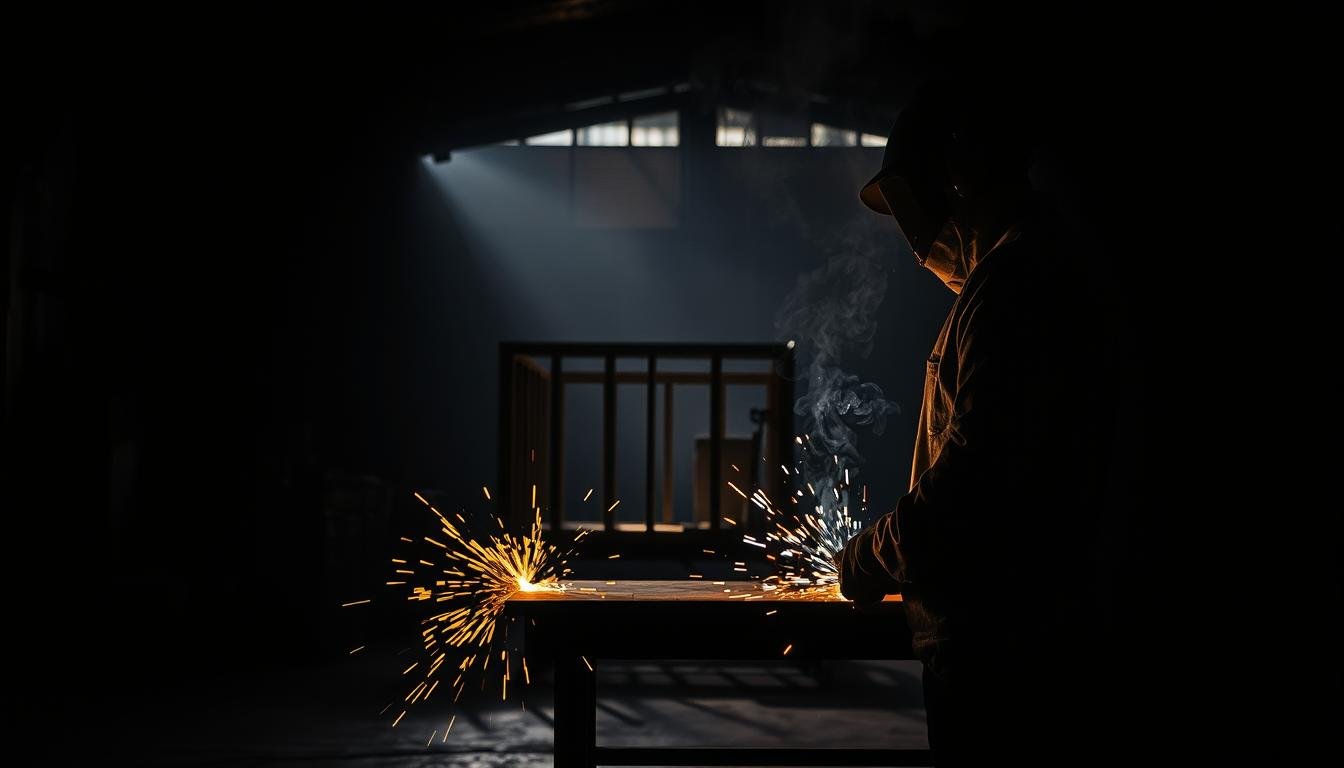

Dangers of Welding Galvanized Steel: Working with galvanized steel can be risky, especially when welding. The process releases harmful fumes that can affect your health.
When you weld galvanized steel, the zinc coating heats up. This releases toxic fumes. These fumes can cause health issues, from mild irritation to serious conditions.
It’s important to know the risks of welding dangers. Taking the right precautions can help keep you safe. This way, you can protect your health while working.
What is Galvanized Steel and Why is it Used?
Have you seen galvanized steel on construction sites or in car parts? It’s special because it’s coated with zinc to fight off rust. This makes steel last longer, which is why it’s often chosen for many uses.
There are two main ways to galvanize steel: hot-dip galvanizing and electrogalvanizing. Knowing about these methods helps us see how versatile galvanized steel is.
Hot-Dip vs. Electrogalvanizing Methods
Hot-dip galvanizing dips steel in hot zinc to create a strong coat. It’s great for big or complex projects. Electrogalvanizing, however, uses electricity to apply a thinner zinc layer. It’s better for smaller, detailed jobs where a thin coat is enough.
Industries That Frequently Use Galvanized Materials
Galvanized steel is used in many fields, like construction, cars, and home goods. Its ability to resist rust and last long makes it perfect for building frames, car parts, and appliances. Using galvanized steel in these areas not only makes products last longer but also saves on upkeep costs.
Why is Welding Galvanized Steel Dangerous?
Welding galvanized steel can expose you to harmful zinc fumes. The galvanization process coats steel with zinc to fight corrosion. But when this steel is heated during welding, the zinc turns into toxic fumes.
Temperature Thresholds for Zinc Vaporization
Zinc vaporizes when the temperature goes over 420°C (787°F). Welding often gets hotter than this, causing zinc to vaporize quickly.
How Zinc Fumes Enter and Affect the Body
Zinc fumes can be breathed in, entering your lungs. These fumes can lead to health problems, from mild irritation to serious conditions like metal fume fever.
| Health Risk | Description |
|---|---|
| Metal Fume Fever | A flu-like condition caused by inhaling zinc oxide fumes. |
| Respiratory Issues | Inhaling zinc fumes can irritate the lungs and worsen conditions like asthma. |
It’s important to know the risks of welding galvanized steel. By understanding these dangers, you can take steps to stay safe and healthy.
Symptoms and Health Effects of Zinc Exposure
Welding galvanized steel releases zinc fumes. These fumes can cause serious health problems if inhaled. You might feel mild or severe symptoms, depending on how much and for how long you’re exposed.
Timeline of Symptom Development
Symptoms of zinc exposure can start a few hours after welding galvanized steel. At first, you might not notice anything. But soon, you could feel like you have the flu, with fever, chills, and coughing.
Potential Chronic Conditions and Complications
Long-term or repeated exposure to zinc fumes can cause serious problems. You might get metal fume fever, which is like having the flu over and over. It can also lead to lung issues and damage.
| Symptom | Timeline | Potential Complication |
|---|---|---|
| Fever, chills, coughing | Within a few hours | Metal Fume Fever |
| Respiratory issues | Prolonged exposure | Chronic lung damage |
| Flu-like symptoms | Short-term exposure | Recurring metal fume fever |
It’s important to know the risks of zinc exposure to stay safe. By spotting symptoms early and using safety gear, you can avoid serious health issues.
How to Identify Galvanized Steel Before Welding
Before you start welding, it’s crucial to know if the steel is galvanized. Galvanized steel has a zinc coating to prevent rust. When welded, this coating can release harmful fumes.
Distinguishing Features of Galvanized Surfaces
Galvanized steel often looks shiny and metallic. You might see a mottled or crystalline pattern on its surface. Inspecting the surface closely can reveal these signs.

To check if steel is galvanized, try a few tests. Apply copper sulfate solution to the steel; if it turns reddish-brown, it’s not galvanized. Use a magnet too; galvanized steel is usually magnetic, but the strength can vary. These tests help you verify the presence of a zinc coating.
Essential Safety Precautions for Welding Galvanized Steel
Welding galvanized steel can be dangerous to your health. It’s important to follow safety rules. When you work with galvanized steel, you might breathe in zinc fumes. These fumes can lead to serious health problems, like metal fume fever.
To stay safe, you need to take the right steps. This includes wearing the right gear and using proper ventilation.
Selecting the Right Respirator Type
Choosing the right respirator is key. Respirators with a HEPA filter are best because they catch zinc fumes well. Make sure your respirator fits right to protect you best.
Local vs. General Exhaust Systems
Good ventilation is crucial when welding galvanized steel. Local exhaust systems are better than general ones. They pull fumes right from where they come, lowering the chance of breathing them in.
Eye, Skin, and Clothing Protection
Protecting your eyes, skin, and clothes is also important. Wear welding helmets with shaded lenses to shield your eyes from bright light and debris. Use flame-resistant clothes and gloves to avoid burns from sparks and hot metal.
| Safety Measure | Description | Benefit |
|---|---|---|
| Respirator Use | HEPA filter respirators | Captures zinc fumes effectively |
| Local Exhaust Ventilation | Captures fumes at the source | Reduces inhalation risk |
| Protective Clothing | Flame-resistant clothing and gloves | Prevents skin contact with sparks and hot metal |
By following these safety steps, you can lower the risks of welding galvanized steel. Always put your safety and the safety of others first. Follow these guidelines to stay safe.
Alternative Methods to Handle Galvanized Steel
To avoid the dangers of welding galvanized steel, you can explore several alternative handling methods. These alternatives not only reduce the risks associated with zinc exposure but also offer versatile solutions for various projects.
Mechanical vs. Chemical Removal Techniques
Mechanical removal techniques, such as grinding or sanding, can be effective for removing the zinc coating from galvanized steel. However, these methods require proper ventilation and protective gear. Chemical removal techniques involve using acids or other chemicals to strip the zinc coating, which demands careful handling and safety precautions.
Mechanical Fastening and Adhesive Options
Mechanical fastening methods, like riveting or bolting, provide a safe alternative to welding. Adhesive bonding is another viable option, offering strong joints without the need for high temperatures. These methods can be particularly useful for projects where welding is not feasible or safe.
By adopting these alternative methods, you can significantly reduce the risks associated with handling galvanized steel. It’s essential to evaluate your project’s specific needs and choose the most appropriate technique.
Emergency Response and First Aid for Zinc Exposure
Welders working with galvanized steel need to know how to react to zinc exposure. If you’re exposed to zinc fumes or particles, acting fast can prevent health problems.
Move to fresh air immediately if you have symptoms like coughing, wheezing, or shortness of breath. Remove any contaminated clothes and wash the affected area with soap and water.
If you have severe exposure or symptoms don’t go away, seek medical attention right away. Also, tell your supervisor or safety officer about the incident. This ensures the right steps are taken.
- Watch your symptoms closely and get help if they get worse.
- Keep a record of the exposure incident for future reference.
Being ready and knowing how to handle zinc exposure can reduce risks. It makes your work environment safer.
Conclusion: Dangers of Welding Galvanized Steel
Working with galvanized steel comes with dangers. It’s used in many industries, but safety is a must. Knowing the risks is the first step to staying safe.
Understanding zinc exposure risks is crucial. Taking the right precautions can help. This means knowing what you’re working with and following safety rules.
Being ready for emergencies is also important. It’s all about finding a balance. This balance keeps you safe and healthy at work.
See Also: Why is Fort Lauderdale So Dangerous?
FAQ
What are the primary health risks associated with welding galvanized steel?
Welding galvanized steel can expose you to zinc fumes. These fumes can cause metal fume fever and other health problems.
How can I identify if the steel I’m working with is galvanized?
Look for a shiny, silver-gray appearance to spot galvanized steel. You can also use a copper sulfate solution test.
What safety precautions should I take when welding galvanized steel?
Wear a respirator and use local exhaust ventilation. Protect your eyes, skin, and clothes. Make sure your workspace has good air flow.
What are the symptoms of zinc exposure, and how soon can they appear?
Zinc exposure can cause flu-like symptoms like fever and nausea. These symptoms can start within hours. Severe cases may need medical help.
What should I do in case of zinc exposure?
If you’re exposed to zinc, leave the area and get fresh air. Seek medical help if symptoms don’t go away or are severe.
Can zinc exposure lead to long-term health complications?
Yes, long-term or repeated zinc exposure can cause chronic health issues like respiratory problems.
Learn about The Dangers of 277 Voltage Explained.

Lorenzo Sloan is a safety advocate from Los Angeles who exposes hidden and everyday dangers through research-based blogging. With a background in social work, he aims to keep readers informed, cautious, and prepared for the unexpected risks around them.